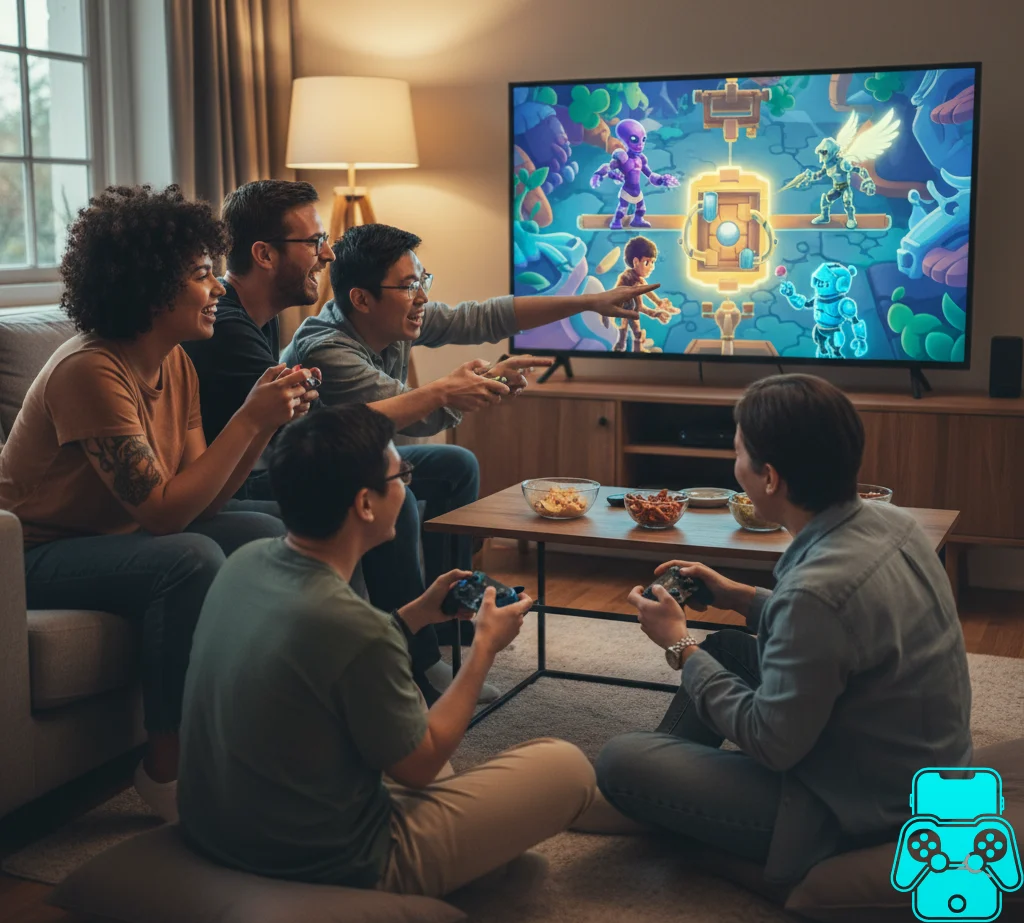
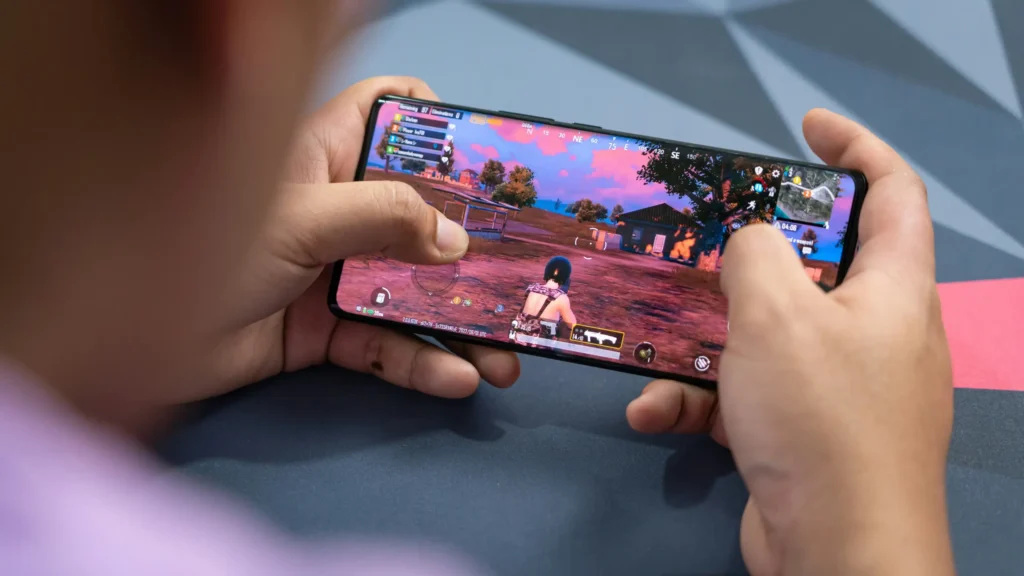
We’ve all been there—you open your phone to “just check something,” and before you know it, hours have passed. Your dinner’s cold, your battery’s low, and your character has leveled up three times. Mobile games have this quiet power to draw us in, don’t they?
I’ll admit it—once upon a time, I was setting alarms at 2 AM to collect virtual crops in a farming game. When I realized I was losing real sleep over digital carrots, I knew it was time for change. But quitting gaming altogether wasn’t the answer. What I needed was balance.
If you’ve ever felt the same, you’re not alone. Mobile gaming is genuinely enjoyable—but sometimes the line between fun and habit can blur. The good news? You can enjoy every bit of it without letting it control your time or peace of mind. Let’s talk about how.
🎮 Why Mobile Games Are So Hard to Put Down
Before building healthy habits, it helps to understand why these games are so captivating. Mobile game developers don’t just build colorful worlds—they study how our minds react to small rewards and surprises.
Every time you complete a quest or unlock a reward, your brain releases dopamine—the same chemical that makes chocolate taste good or praise feel satisfying. Games use “variable rewards,” a technique that keeps you guessing about when the next prize will come. That unpredictability keeps players hooked.
Daily login bonuses, limited-time challenges, and social leaderboards all tap into our natural instincts. Missing a day feels like losing progress. Competing with friends pushes us to play longer. It’s not weakness—it’s human psychology working exactly as designed.

🕰️ Setting Healthy Gaming Boundaries
Telling yourself to “just play less” rarely works—you need structure. The first step is deciding when gaming fits into your life instead of letting it take over.
Try scheduling your playtime. For example, set 30 minutes after dinner or a short session during your commute. When that time ends, the session ends. You’re not taking away fun—you’re giving it boundaries.
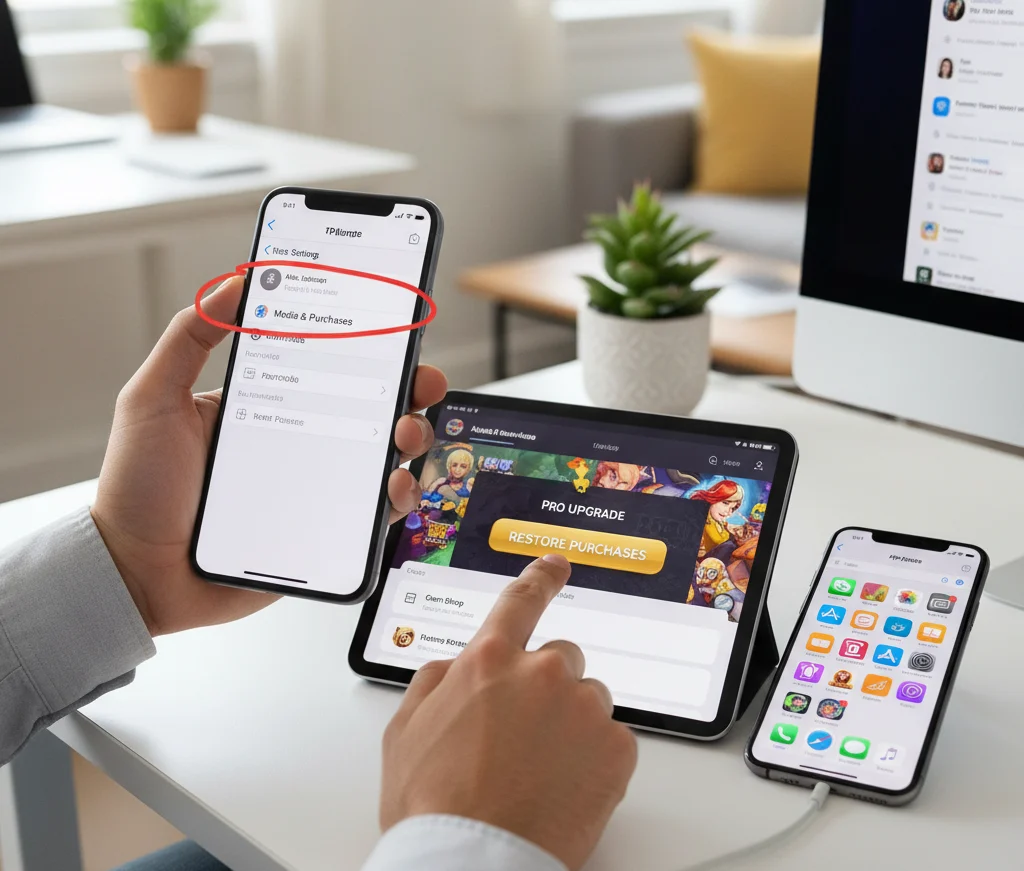
Modern phones can help. Use built-in tools like screen-time limits or focus modes to control usage. When your phone tells you you’ve reached your gaming limit, take that reminder seriously—it’s your cue to pause.
Another trick is the “closed-loop method.” Set a clear goal before you open the app—finish three levels, complete a daily quest, or play until you lose once. When the goal’s done, close the game. That small rule keeps sessions satisfying instead of endless.
🚩 Spotting the Warning Signs
Sometimes we cross the line without realizing it. Ask yourself: are you losing sleep to play? Do you get irritated when you can’t log in? Those are early warning signs that gaming is taking up too much mental space.
If you skip meals, work, or social plans for a game, that’s a clear red flag. One night, I missed a friend’s birthday because I “had” to finish an in-game event. Looking back, it wasn’t worth it. The event ended—but the regret stayed.
Watch your spending too. If you’re hiding in-app purchases or spending money you didn’t plan to, that’s a sign it’s time to step back. Games should never make you anxious about your finances.
📱 Adjusting Your Environment for Success
Your surroundings shape your habits. Tiny tweaks can drastically reduce mindless gaming time.
Move your game apps off your home screen. If you have to search for them, it adds a pause that helps you decide whether you really want to play right now. This single change cut my gaming hours nearly in half.
Turn off game notifications. Those pings and pop-ups are designed to lure you back. You don’t need alerts about refilled energy or new challenges—play on your schedule, not theirs.
If possible, dedicate an older phone or tablet solely for gaming. Use it only during your chosen gaming hours. This separation helps your main phone feel less like a temptation and more like a tool.

💡 Replacing Habit Loops with Real Joy
Often, gaming fills a gap. Maybe you’re bored, stressed, or lonely—and games provide a quick escape. But there are many ways to fill those moments that bring even more satisfaction.
If you’re feeling restless, try creative hobbies—drawing, writing, or cooking can offer the same sense of progress. When you’re stressed, a short walk, stretch, or deep breathing can calm your mind more effectively than another match or level.
Keep a book near your bed to replace nighttime gaming. Some nights you’ll still play, but others you’ll lose yourself in a story without timers or ads. That balance refreshes both activities.
And never underestimate real connection. A quick call or coffee with a friend does more for mental health than hours of virtual chat ever could.
🎯 Choose Games That Respect Your Time
Some games are designed to be addictive; others are built to be meaningful. Choose wisely.
Look for games with clear endings or self-contained levels. Titles like Monument Valley or Alto’s Adventure offer relaxing experiences without the pressure to keep grinding.
Avoid games that lock content behind energy systems or daily requirements. Games shouldn’t guilt you for missing a day—they should invite you back naturally, not out of fear or pressure.
💰 Managing In-Game Spending
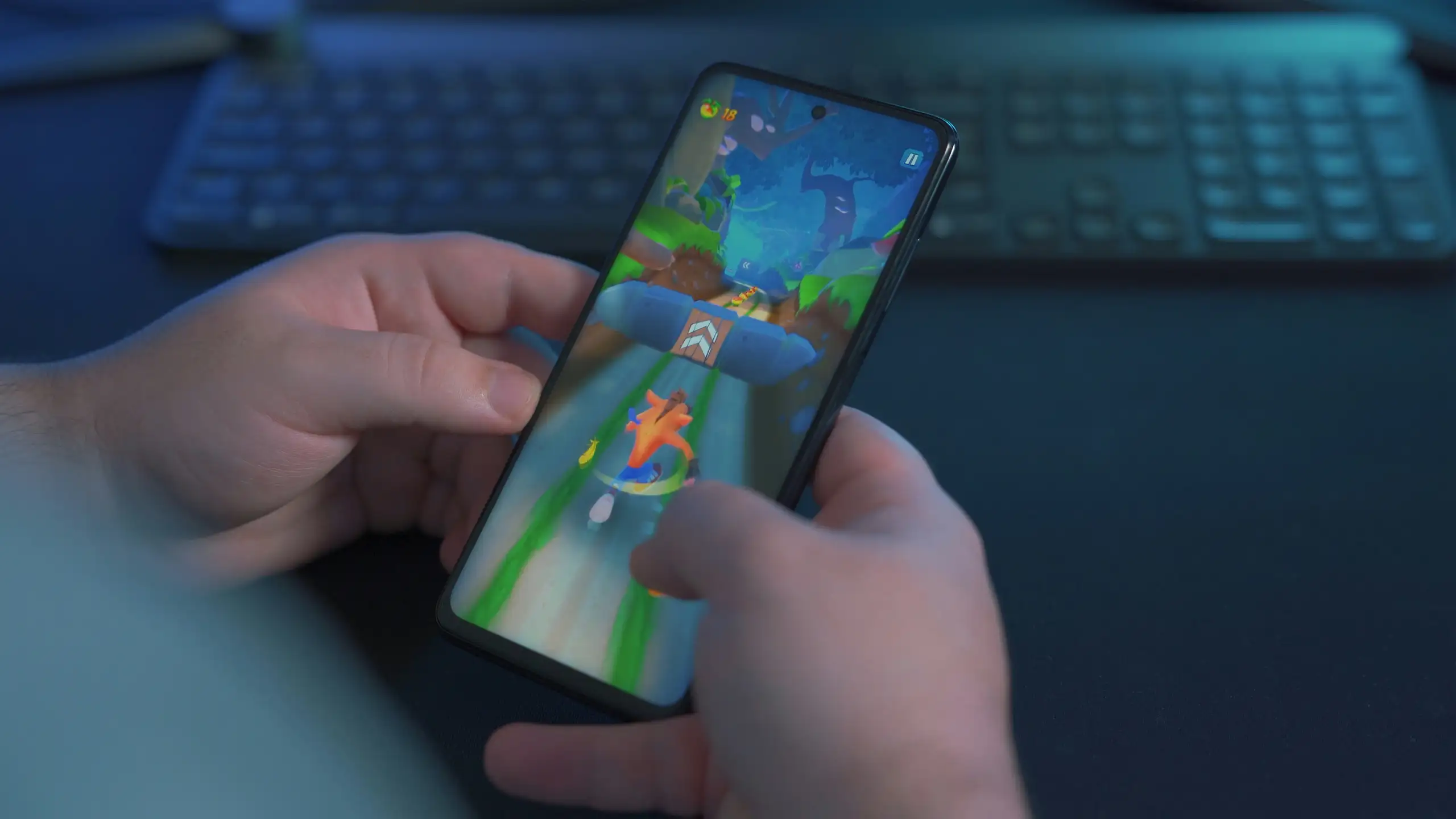
Free-to-play doesn’t always mean free. Many games rely on in-app purchases for revenue, tempting players with limited-time offers and “exclusive” items.
Set a firm budget—decide ahead of time how much (if anything) you’re willing to spend monthly. If impulse spending is an issue, use a prepaid card or app store allowance. This keeps spending intentional, not emotional.
Remember, most purchases provide a burst of satisfaction that fades quickly. Ask yourself before buying: will I still care about this in a week? If the answer is no, save your money—and your peace of mind.
🌱 Building Long-Term Gaming Wellness
Healthy gaming isn’t about perfection—it’s about patterns. You’ll slip up sometimes, and that’s okay. What matters is awareness.
Check your screen time monthly. Are your habits trending up or down? If you don’t like what you see, make small tweaks—adjust playtime windows, reintroduce breaks, or ask a friend to hold you accountable.
Reward progress. When you’ve balanced gaming well for a week, celebrate with something you enjoy offline—a favorite meal, movie, or walk. Positive reinforcement works far better than guilt.

🛑 Knowing When to Step Away
Sometimes, the healthiest move is a full reset. If boundaries stop working and gaming starts interfering with real priorities, take a break. Uninstalling isn’t defeat—it’s self-awareness.
I once took a three-month break from mobile gaming. The first week felt strange, but soon I was reading more, sleeping better, and reconnecting with people. When I came back to gaming later, I played with intention, not compulsion.
Remember, taking time off doesn’t mean you’re giving up something real. The digital world can wait—your life outside the screen can’t.
🌸 Finding Balance Again
Mobile games aren’t the enemy—they’re tools for entertainment, creativity, and relaxation. The goal isn’t to quit but to reclaim control.
Pick one small change this week. Maybe turn off notifications, move your games to a folder, or set a daily timer. Notice how it feels when gaming is a choice, not a reflex.
And if you’re reading this at 3 AM because you couldn’t stop playing—maybe that’s your sign to put the phone down, get some rest, and remember: the real world deserves your time too.