
We live in an age where stress seems as common as WiFi signals. Work deadlines pile up, our inboxes never empty, and scrolling through social media only amplifies our anxiety. Yet, there’s an unexpected refuge available right in your pocket—and it’s far more effective than doom-scrolling or binge-watching Netflix for hours.
Mobile games have evolved far beyond being mere time-killers. Recent research reveals they’re actually powerful tools for mental wellness, helping you recharge your mind while sharpening your cognitive abilities. Surprised? You’re not alone. Many people dismiss mobile gaming as a distraction, but mounting scientific evidence suggests the opposite: playing the right games at the right time can genuinely improve your focus, reduce stress, and create lasting mental benefits.
Let’s explore eight legitimate ways mobile games are transforming how we think, relax, and perform at our best.
Activating the Flow State: Your Brain’s Peak Performance Zone
When you’re completely absorbed in an activity—so immersed that nothing else matters—you’ve entered the flow state. Psychologist Mihaly Csikszentmihalyi defined this as the ultimate mental state where peak performance naturally emerges. Mobile games are uniquely designed to trigger this state.
Here’s what happens neurologically: when you’re in flow, your brain releases dopamine while simultaneously suppressing overactive regions responsible for self-doubt and overthinking. You lose track of time in the best possible way. Your worries fade. Your focus sharpens to laser-like precision.
Games like puzzle challenges and strategy games excel at creating this environment. They present challenges that perfectly match your skill level—not too easy, not impossibly hard—creating an optimal cognitive sweet spot. The intuitive controls mean you’re not fumbling with complicated buttons; you’re purely engaged with the mental challenge itself.
Professional gamers and productivity experts have long understood this secret. The flow state isn’t just enjoyable; it’s where serious work gets done. Many people use strategic gaming sessions as deliberate breaks that reset their mind, allowing them to return to work with renewed clarity and motivation. Your morning commute game session isn’t procrastination—it’s cognitive training.
Strengthening Attention and Concentration Through Sustained Challenge
Our attention spans are fragmenting. We jump between email, notifications, and competing demands all day long. This constant context-switching exhausts our mental resources and leaves us feeling perpetually scattered.
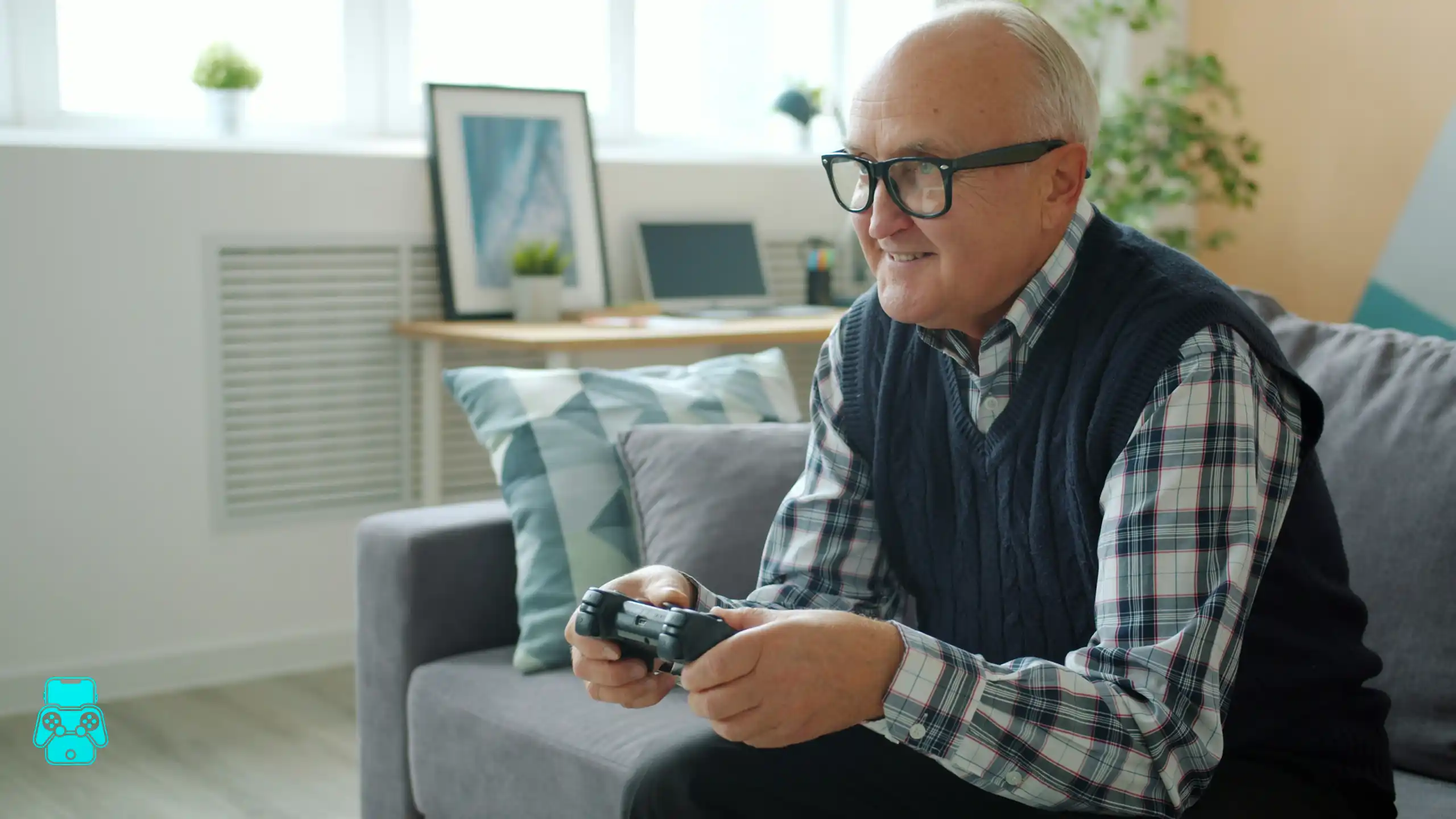
Mobile games offer an antidote through focused, structured engagement. Brain training research conducted at McGill University found something remarkable: older adults who played cognitive games for just 30 minutes daily over 10 weeks experienced a 23% increase in acetylcholine—the brain chemical directly responsible for learning, memory, and attention.
Even more impressive, the study noted this improvement restored the cholinergic system to levels typically seen in someone 10 years younger. The researchers called it the first non-pharmaceutical intervention achieving such results.
Why does this matter for you? Sustained attention is learnable. When you engage in games requiring focus—tracking multiple puzzle pieces, remembering sequences, solving complex problems—you’re essentially doing attention pushups. Repeatedly focusing despite distractions strengthens your neural pathways dedicated to concentration.
Many professionals play puzzle games specifically to sharpen their focus before important meetings or creative work. The spillover effect is real: the concentration you build in games transfers directly to your professional and personal tasks.
Reducing Stress Through Engagement and Accomplishment
Stress hormones flood your system throughout the day. Cortisol and adrenaline keep you in a state of mild emergency, even during mundane tasks. This chronic activation wears down your mental and physical health.
A peer-reviewed study measuring stress biomarkers—salivary cortisol and alpha-amylase levels—showed that brain teaser games significantly reduced these stress markers after gameplay. The participants experienced measurable biochemical evidence of stress relief.

But here’s the clever part: mobile games achieve stress reduction through a different mechanism than passive relaxation. Rather than simply distracting you (like watching TV), games create a sense of accomplishment. Each completed level, each puzzle solved, each challenge conquered triggers a reward response. Your brain registers progress, achievement, and competence.
This matters psychologically. Stress often stems from feeling powerless or stuck. Games provide a controlled environment where your actions directly create visible results. You’re not spinning your wheels; you’re making tangible progress. That psychological shift—from helplessness to agency—is profoundly stress-relieving.
Even brief gaming sessions create this effect. A quick 15-minute puzzle session provides sufficient psychological wins to shift your emotional state and lower your stress markers.
Boosting Problem-Solving Abilities and Critical Thinking
Strategy isn’t just for chess anymore. Mobile games increasingly require you to think critically, anticipate consequences, and develop multi-step solutions. These aren’t mindless reflex games; they’re cognitive challenges wearing the outfit of entertainment.
Puzzle-solving games develop pattern recognition—the ability to see connections others miss. Strategy games train you to think several moves ahead, weigh trade-offs, and make decisions under constraints. These mental skills directly transfer to real-world problem solving, whether you’re optimizing your budget, planning a project, or navigating interpersonal challenges.

Research consistently shows that people who regularly engage with puzzle games and strategic challenges demonstrate improved problem-solving abilities in unrelated cognitive tasks. Your brain isn’t compartmentalized; skills transfer across domains.
The practical benefit? You develop mental flexibility. When facing a work challenge, you’re more likely to consider creative solutions because your brain has been trained through gaming to think divergently and consider multiple approaches.
Creating Mindfulness and Present-Moment Awareness
Mindfulness—being fully present without judgment—is increasingly recognized as essential to mental health. Yet meditation still feels intimidating or boring to many people. This is where meditative games bridge the gap.
Games like flOw, ABZU, and Playne intentionally blend minimalist design with engaging gameplay to cultivate mindfulness. These aren’t frenetic action games; they’re serene experiences that draw you fully into the present moment. There’s no past worrying or future catastrophizing—just you and the game world, here and now.
The beauty of these games is their accessibility. Traditional meditation requires quieting your mind, which feels impossible when you’re anxious or restless. Meditative games give your mind something to focus on—but in a way that’s calming rather than stimulating. You’re present and engaged, but without the mental chatter.
Research on mindfulness apps and games shows they reduce anxiety and promote emotional regulation similar to traditional meditation, but with significantly higher engagement rates. People actually stick with gaming-based mindfulness rather than abandoning traditional meditation after a week.
Enhancing Memory Retention and Cognitive Function
Your memory isn’t fixed—it’s a skill you can sharpen. Games requiring you to remember sequences, recall patterns, or learn rules naturally strengthen memory capacity.
Word search games, memory challenges, and pattern-based puzzles activate your recall abilities. You’re training the neural pathways associated with memory formation and retrieval. Studies examining jigsaw puzzles and similar games show consistent improvements in memory retention and cognitive function among regular players.
The effect compounds over time. Like physical exercise building muscle, cognitive exercise strengthens mental capabilities. Regular gaming sessions literally reshape your brain’s architecture in areas associated with memory and learning. This is neuroplasticity in action—your brain rewiring itself based on how you use it.
For anyone concerned about cognitive decline as they age, this is particularly relevant. The McGill University research mentioned earlier showed brain-training games produce cognitive improvements comparable to recovering a decade of age-related decline—a stunning result from a simple intervention.
Building Resilience Through Managed Failure and Adaptation
Life is hard partly because failure feels devastating. But in games, failure is built-in. You fail frequently, and it’s designed to feel manageable rather than catastrophic.
This repeated experience of trying, failing, adjusting strategy, and trying again builds psychological resilience. You learn that setbacks aren’t character flaws—they’re information. You develop the mental flexibility to pivot, adapt, and persist. This resilience directly transfers to real life.

Games create a “safe failure” environment. The stakes are low, so you can experiment boldly without risking real-world consequences. This freedom to fail actually accelerates learning and builds confidence. When you inevitably face real challenges, you’ve already practiced the mental moves required: assess the situation, adjust your approach, persist despite setbacks.
Psychology research consistently shows that people who’ve experienced this kind of structured, managed failure in games demonstrate greater resilience and lower anxiety when facing actual life challenges. Your brain doesn’t distinguish between “game failure” and “real failure” as sharply as you might think.
Fostering Social Connection and Community Belonging
Loneliness is a silent health crisis. Social isolation contributes to anxiety, depression, and even physical illness. Gaming, particularly multiplayer and community-based games, provides genuine social connection.
Research shows that people with depressive symptoms who actively participate in gaming communities are 40% more likely to build and maintain social connections. Gaming provides a low-pressure social environment where people bond over shared interests and challenges.
Many gaming communities on platforms like Discord (with 150 million monthly users) host genuine friendships that span years. Players aren’t just exchanging game strategies; they’re sharing life challenges, celebrating wins, and providing mutual support. For socially anxious individuals or those struggling with isolation, gaming communities offer crucial connection.
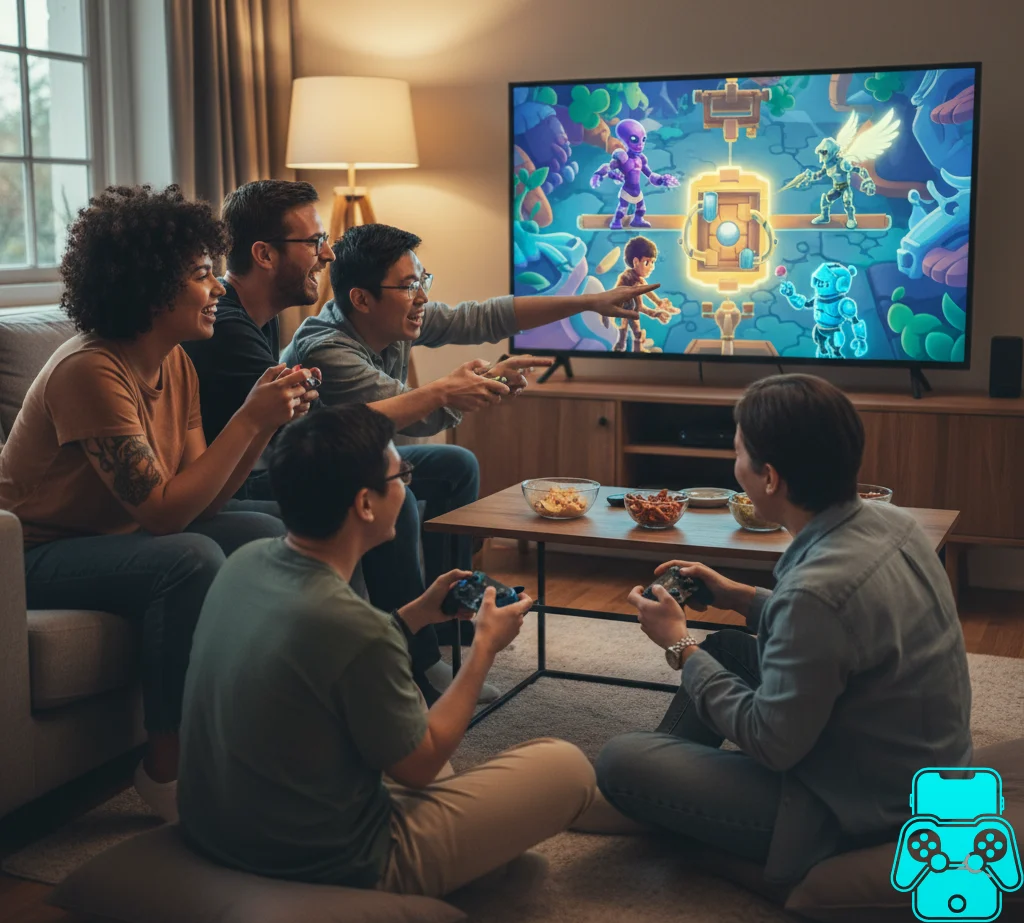
The social benefits extend beyond online interaction. Group gaming experiences—playing cooperatively or competitively with friends—strengthen bonds through shared challenge and achievement. The collaborative problem-solving required in team-based games builds communication skills and deepens relationships.
Choosing the Right Games for Maximum Benefit
Not all mobile games deliver mental health benefits equally. Games designed with genuine wellness in mind differ significantly from those engineered purely for maximum engagement and ad revenue.
Look for games with these qualities: minimalist, calming visual design rather than sensory overload; optional rather than aggressive time limits; progress that feels earned rather than purchased; and community rather than competition-focused mechanics (though healthy competitive play exists too).
Games specifically designed for relaxation—like puzzle games with soothing aesthetics, meditative experiences, and brain-training apps developed with neuroscientific input—deliver superior benefits compared to action-heavy or reward-slot-machine designs.
The key is intention. Using mobile games strategically for specific mental benefits (stress relief, focus building, mindfulness) differs vastly from mindless scrolling or compulsive play driven by manipulative game design.
Reframing the Gaming Conversation
Mobile gaming sits at a cultural crossroads. Many dismiss it as frivolous distraction, while others recognize its genuine potential for mental wellness and cognitive enhancement. The science increasingly supports the latter perspective.
The games in your pocket aren’t enemies of productivity and mental health—they can be allies. When chosen deliberately and used intentionally, they provide stress relief, focus enhancement, cognitive training, and social connection that directly improve your well-being and performance.
Rather than viewing mobile gaming as something to eliminate, consider it a tool to leverage strategically. Your daily commute, lunch break, or moments between tasks become opportunities for genuine mental restoration and cognitive training.
The question isn’t whether mobile games have value—research confirms they do. The question is whether you’ll use them intentionally to support your wellness and growth. Your mind, it turns out, is more eager for this kind of engagement than you might have imagined.