In recent years, one trend has quietly reshaped how players experience mobile games — the rise of rewarded ads. Once considered annoying pop-ups that disrupted gameplay, in-game ads have evolved into something players actually want to watch. Rewarded ads, in particular, have turned what used to be an interruption into an opportunity. Whether it’s earning extra gems in Candy Crush, getting a rare card in Clash Royale, or unlocking a special skin in Subway Surfers, ad-watching has become part of the gaming ritual for millions.
So, why are players suddenly embracing something that once drove them crazy? Let’s peel back the layers of psychology, design, and gamer experience to understand why rewarded ads are now the preferred choice across the gaming world.
The Shift From Annoyance to Appreciation
A few years ago, most mobile gamers groaned at the sight of an ad. A video ad would interrupt your game right when you were about to finish a level. You’d have to wait 30 seconds, then tap that tiny “X” while praying you didn’t accidentally open the ad’s webpage. It was frustrating, to say the least.
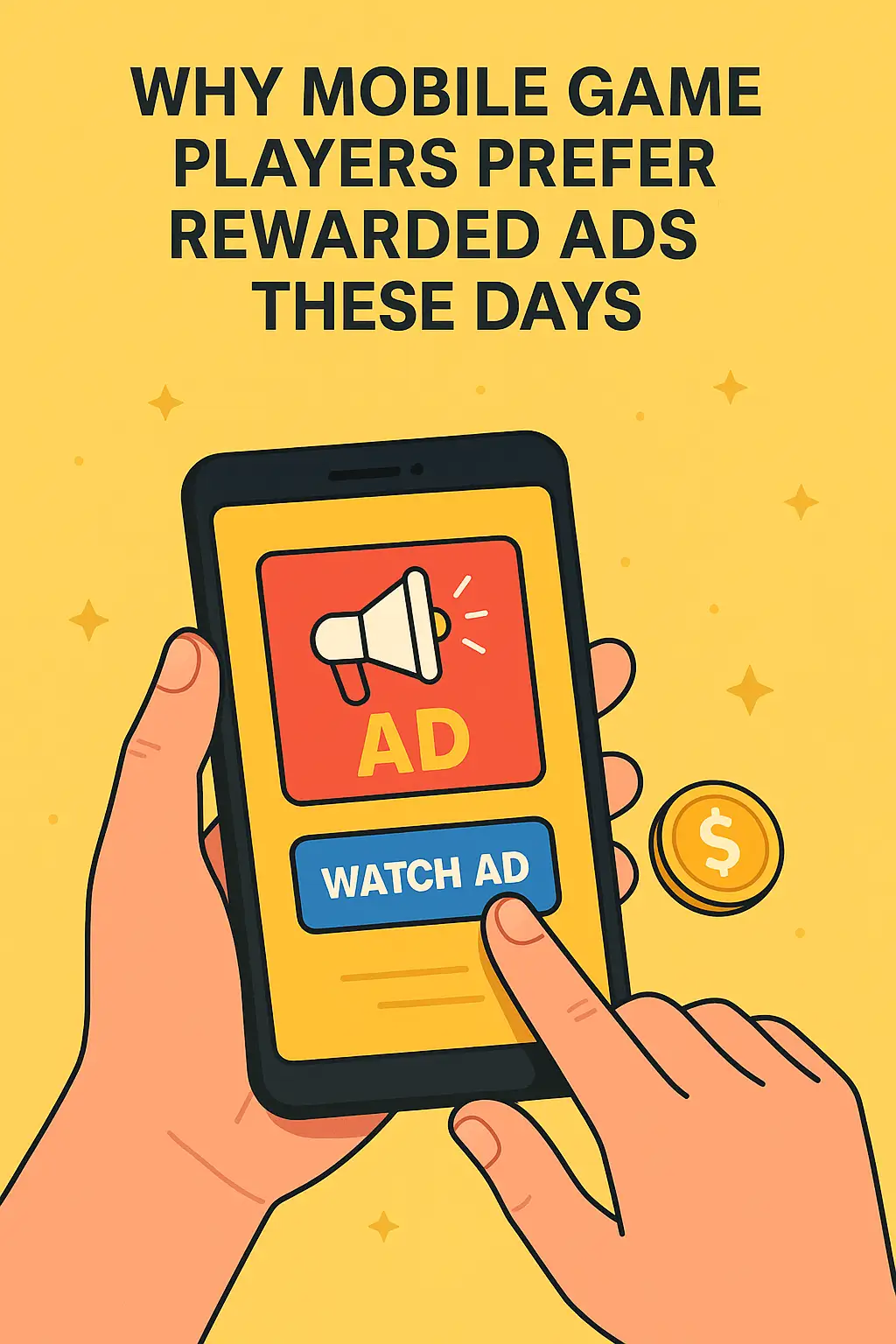
Rewarded ads flipped this entire dynamic on its head. Instead of forcing players to watch, the game politely asks: “Would you like to watch a short video to earn double rewards?” Suddenly, the player feels in control.
There’s a big difference between being forced and being offered a choice. That psychological shift alone makes a world of difference. Players who once saw ads as barriers now see them as bonuses.
Think of it like being offered dessert after a meal. You don’t have to take it, but if you do, you get a sweet little something extra.
The Psychology Behind Rewarded Ads
Gamers love a sense of progress. Even small wins — an extra life, a daily reward, a few more coins — feel satisfying. Rewarded ads feed this craving without asking players to pull out their wallet. In other words, they tap into the dopamine-driven loop that makes games engaging in the first place.
Psychologists call this operant conditioning. When a player performs an action (like watching a short ad) and receives a positive reward, the brain makes a connection between the two. It’s the same logic behind daily login bonuses or loot boxes. The difference? Rewarded ads feel fair because the player chooses to participate.
Let’s be honest — in a world where most things online are “pay-to-win,” a free reward feels like a small victory.
Developers Love Them, Too
Rewarded ads aren’t just good for players. Developers are big fans, too — and for good reason.
-
Better user retention: Players are less likely to quit a game when rewards keep flowing naturally. Rewarded ads help reduce frustration because they give players an alternative to spending money.
-
Increased revenue: Rewarded ads often outperform traditional interstitial or banner ads. Players not only engage with them more often but also stay longer in the game, which boosts overall ad impressions.
-
Positive user experience: When done well, these ads blend into the gameplay rhythm, feeling more like a feature than an intrusion.
For developers, rewarded ads are a win-win — they keep users happy and increase earnings without hurting the gameplay experience. Some even joke that “rewarded ads are the unsung heroes of free-to-play games.”
It’s About Fairness and Choice
The most striking reason players prefer rewarded ads is fairness. You’re given a fair trade: a minute of your attention in exchange for something valuable. No hidden strings, no aggressive pop-ups, and no forced interruptions.
Compare that to the typical mobile ad from years ago. You’d be in the middle of an intense run in a game like Temple Run, and suddenly—bam—a loud, unskippable ad breaks your flow. You lose focus, die in the game, and maybe even uninstall it out of frustration. Rewarded ads solve this elegantly by respecting the player’s time.
And that respect builds loyalty. When players feel respected, they often end up more connected to the game. It’s the same kind of goodwill a good barista builds by remembering your name and usual order — it keeps you coming back.
A Real-World Example: Players Speak Up
Take Emily, a 27-year-old casual gamer who plays Merge Mansion during her lunch breaks. She admits, “The only reason I watch ads is because I know I’ll get something out of it. It’s kind of satisfying to open a reward chest that I earned just by watching a quick ad. It actually makes me enjoy the game more.”
This is a common sentiment among modern gamers. It’s not that ads became cool overnight; it’s that rewarded ads turned the experience into a voluntary exchange. It feels more like teamwork between the player and developer instead of a one-sided intrusion.
The “Free-to-Play” Economy
Rewarded ads also fuel the free-to-play model that dominates mobile gaming today. With millions of games being completely free to download, developers need sustainable ways to generate income. Without ads or microtransactions, most indie studios simply couldn’t survive.
Here’s what’s fascinating: rewarded ads actually make the free-to-play model more inclusive. Players who can’t or don’t want to pay for in-app purchases can still access new features or boosts through ads. That means the game stays competitive and fun for everyone, not just those with deeper pockets.
In that sense, rewarded ads are almost like the great equalizer of the mobile gaming world.
Reward Variety Makes It Fun
Not all rewards are created equal. Some games offer coins, others give time-limited power-ups, while others might unlock rare skins, bonus characters, or access to premium levels.
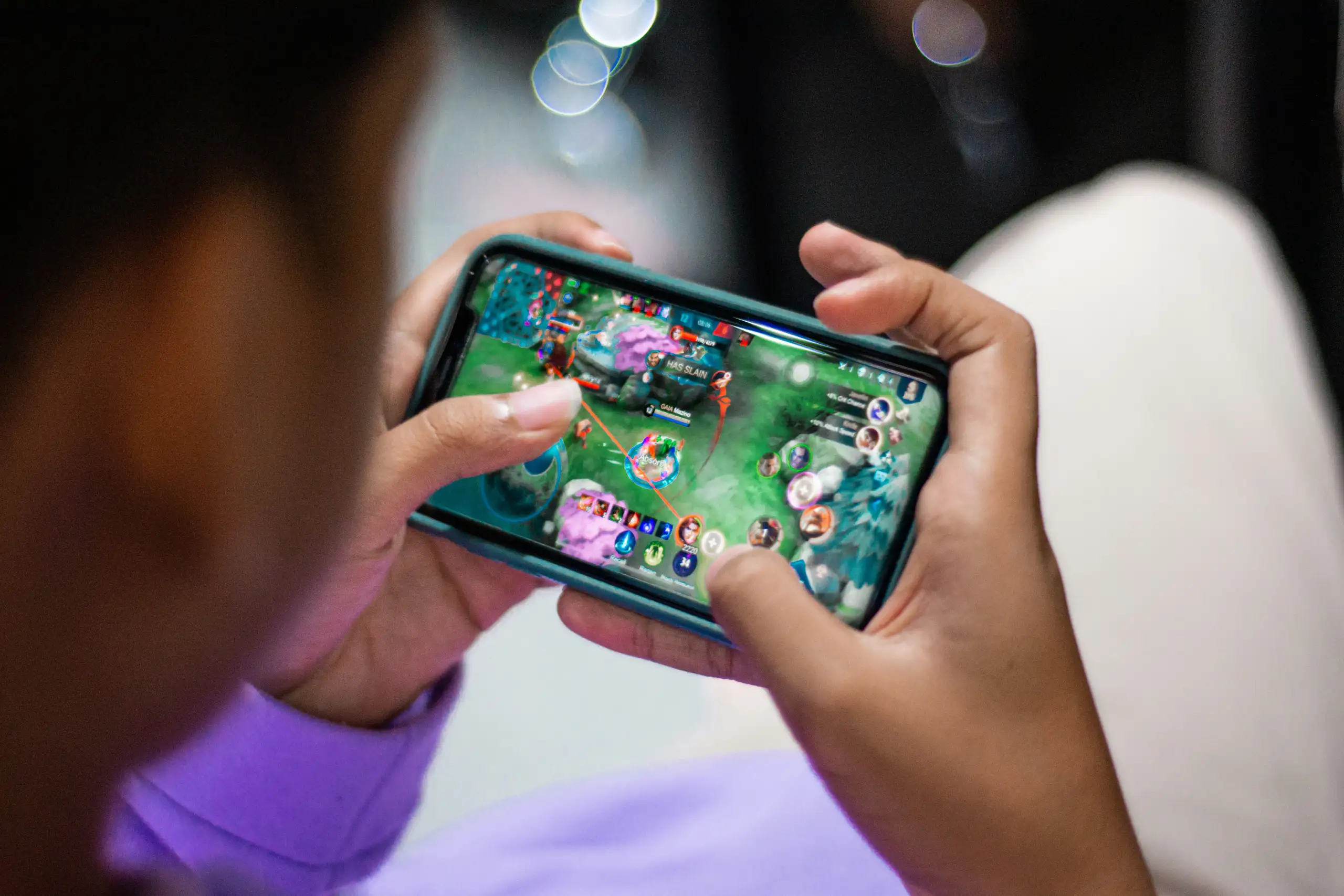
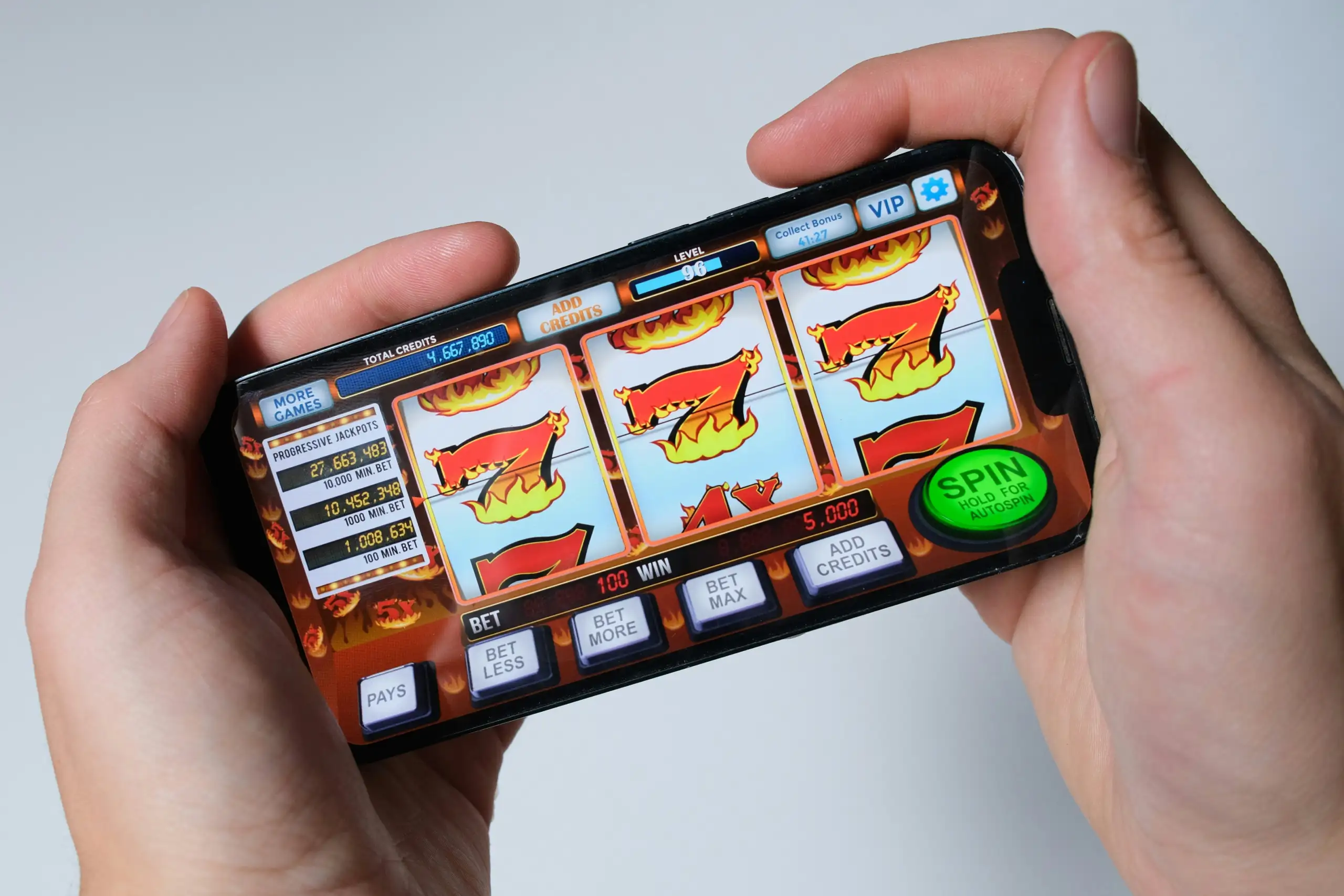
This variety keeps things exciting. Imagine every ad gave you just five coins — you’d lose interest fast. But when the rewards vary in both type and value, players feel that sense of mystery and excitement each time. It’s the same rush that fuels loot boxes, but without the gambling-like mechanics since every ad guarantees a reward.
Developers who get creative with rewards often see the highest engagement. When a player feels like they could win something special — perhaps a limited-time item — watching a 30-second video suddenly feels worth it.
Ads That Match Player Interests
Modern mobile games have become smarter at tailoring ads. If you’re playing a puzzle game, you’re more likely to see ads for similar games or brain teasers rather than random products. This makes the ad experience more relevant and less annoying.
Think of it like scrolling through TikTok — the app seems to “know” what you like. Rewarded ads have started following that same pattern, showing players content they might actually be curious about. That’s why many gamers report they’ve discovered new games through rewarded ads — it’s advertising that doesn’t feel like traditional advertising.
Humor and Timing Matter
Timing is everything in gaming. Drop an ad at the wrong moment, and you’ll frustrate the player. Place it right after a level-up or during a natural pause, and it feels like a break rather than an interruption.
Some games even add humor to make rewarded ads less monotonous. Mini messages like “Grab a snack while we find your reward!” or “Don’t worry, this will be quick!” make the experience feel lighthearted. It humanizes the interaction.
Just as importantly, well-timed ads give players a moment to rest their thumbs. After an intense round, spending 20 seconds watching a short clip feels like catching your breath — especially if a juicy reward awaits at the end.
How Rewarded Ads Build Trust
Trust is tricky in mobile gaming. With so many apps competing for attention, players quickly delete games that seem spammy or exploitative. Rewarded ads earn trust because they’re transparent. The player always knows what they’re getting and what’s expected in return.
There’s no murky “buy this to continue” pressure. Just a clear message: “Would you like to watch an ad for more coins?” That honesty goes a long way in user satisfaction surveys. It’s one reason why popular games like Roblox, PUBG Mobile, and Gardenscapes have continued to integrate these ad styles effectively.
The Data Doesn’t Lie
Marketing analytics consistently show that engagement rates for rewarded ads are far higher than any other ad type. Players voluntarily interacting with ads have up to five times higher retention rates than those exposed to forced ads. Why? Because they feel agency and control — two psychological factors that every app developer dreams of reinforcing.
Even ad networks like Unity Ads and AppLovin report that rewarded ads drive around 40% higher eCPMs (effective cost per thousand impressions) for developers. That means not only are more players engaging, but advertisers are willing to pay more for these high-quality interactions.
It’s a win-win for everyone involved.
The Future of Rewarded Ads
As mobile games evolve, so will rewarded ads. Expect to see more interactive versions where players can engage directly with mini-experiences, like test-driving a new character or trying a demo level from another game before installing it.
We’ll also see more “hybrid” reward systems combining daily challenges, social sharing bonuses, and ad options. Players might have the choice between completing a small quest or watching a quick ad to unlock a new skin. This flexibility will keep players engaged across different play styles and preferences.
The future of in-game advertising isn’t about replacing creativity with monetization — it’s about merging the two so both developers and players benefit.
Valuable Takeaway for Developers
If you’re a mobile developer reading this, there’s a key lesson: don’t just insert ads; design experiences around them.
Integrate rewarded ads organically into your gameplay loops. Add thoughtful timing and reward diversity. Most importantly, communicate clearly with your players — tell them exactly what they’ll get and deliver it instantly. A broken promise in mobile rewards can damage trust faster than a buggy update.
When players know what to expect, they’re happy to keep supporting your game — even through ads.
A Small Joke for the Road
Mobile gamers are a funny bunch. They’ll skip buying that $0.99 booster pack but happily watch five ads in a row for the same reward. It’s the thrill of getting something for free — even if it costs time instead of money. It’s almost poetic, really.
Conclusion
Rewarded ads represent the sweet spot between monetization and user enjoyment. They’ve transformed ads from intrusive annoyances into optional opportunities. For players, that means more rewards and control. For developers, it means happier users and sustainable revenue.
This balance of fairness, transparency, and mutual benefit is precisely why mobile gamers prefer rewarded ads these days. They turn ads into part of the fun — and that’s something worth paying attention to.