Remember the Great Road Trip Meltdown of ‘08? I do. It involved my younger brother, a forgotten action figure, and a level of despair usually reserved for Shakespearean tragedies. Fast forward to today, and the scene is different. On a recent flight, I watched a family of four—mom, dad, and two kids—huddled together, not in frustration, but in collaboration. They were playing a game on a single tablet, whispering strategies and celebrating little victories. The game wasn’t a hyper-competitive shooter or a complex strategy title; it was a colorful, cooperative puzzle game. And in that moment, it hit me: family-friendly mobile games aren’t just a niche anymore. They’ve quietly taken over the app stores, and for some pretty brilliant reasons.
Let’s dive into why these inclusive, often-underestimated games are becoming the powerhouses of the mobile world.
The “Everyone’s Invited” Phenomenon: More Than Just Kids’ Stuff
The biggest misconception is that “family-friendly” is a polite term for “just for children.” Nothing could be further from the truth. The true genius of this category is its expansive definition. It encompasses games that are:
-
For young children: Simple tap-and-play games that teach colors, shapes, and cause-and-effect.
-
For the whole family: Party games, trivia, and cooperative adventures where players of all ages and skill levels can contribute.
-
For adults seeking a chill experience: Non-violent puzzle games, relaxing farming sims, and creative sandboxes that offer a mental break without the stress.
Think about it. You’re a parent after a long day. The last thing you want is to navigate the complex controls and aggressive monetization of a hardcore game. But booting up something like Pokémon GO for a walk, or helping your kid design a island in Animal Crossing: Pocket Camp? That’s a different kind of engagement. It’s low-pressure, accessible, and often, genuinely enjoyable for you, too.
These titles have mastered the art of the “low floor and high ceiling”—they are easy to start but have enough depth to keep you coming back. My own aunt, who wouldn’t know a “headshot” from a head of lettuce, is a beast at Candy Crush Saga. It’s her daily mental workout, her little moment of triumph. The app stores are filled with millions of people just like her.
The Secret Sauce: What Makes These Games Tick (and Click)
So, what’s the magic formula? It’s not one single ingredient, but a perfect recipe.
Accessibility is King (and Queen):
You don’t need a 50-page manual or the reflexes of a ninja. The controls are intuitive—tap, swipe, drag. The goals are clear. The learning curve is gentle. This opens up gaming to demographics that traditional consoles and PC games have often ignored: grandparents, very young children, and casual players. A game like Heads Up! requires zero setup; you just hold your phone up to your forehead and start laughing. It’s genius in its simplicity.
The Power of “We” vs. “Me”:
While many top-grossing games are fiercely competitive, the family genre thrives on cooperation. Games like the Monopoly mobile app or Sky: Children of the Light encourage players to work together. This transforms the device from an isolating screen into a social hub. It’s a shared activity, a digital board game night that can happen anywhere. Instead of “put that phone away,” it becomes “bring that phone over here so we can play.”
The Wallet-Friendly Factor:
Let’s be real, parents are a savvy bunch. The free-to-play model, when done ethically, is a huge draw. You can download a game like Angry Birds Friends or Subway Surfers for free and have a complete, satisfying experience without spending a dime. While in-app purchases exist, the best family titles use them for optional cosmetics or permanent unlocks of new levels, not for “pay-to-win” advantages. This low barrier to entry means a family can have a library of diverse games without breaking the bank.
A Welcome Respite from the Digital Noise:
Our online lives are often chaotic, algorithmically fueled by outrage and endless scrolling. Family-friendly games offer a designated digital playground. They are brightly colored, often feature uplifting music, and are largely free from the dark themes that dominate other entertainment sectors. Playing a game where you build a thriving farm (Stardew Valley) or solve a beautiful puzzle (Monument Valley) is a form of digital self-care. It’s a conscious choice for a more positive screen time experience.
Beyond the Screen: The Real-World Value No One Talks About

This is where the value goes from “entertainment” to “essential.” As a blogger and a gamer, I’ve seen firsthand how these games provide genuine benefits that extend far beyond killing time.
The Modern Babysitter (That Teaches Something):
Okay, I’m not advocating for plopping a kid in front of a screen for hours. But we all live in the real world. Sometimes, you need 20 minutes to make a phone call or start dinner. A well-designed educational game is a far cry from passive YouTube consumption. Games that involve problem-solving, basic math, or creative thinking can be a productive distraction. It’s interactive, not vegetative.
Bridging the Generational Gap:
I’ve watched teenagers patiently teach their grandparents how to play a word game. I’ve seen a dad and his daughter bond over a shared love for a virtual pet. These games create a common language. They provide a neutral, fun territory where different generations can connect without the usual friction. The conversation shifts from “How was school?” to “How do we beat this level together?”
Spark for Creativity and Critical Thinking:
Many of these games are sandboxes for the imagination. Look at the phenomenon of Minecraft. It’s a digital set of LEGOs. Kids (and adults!) aren’t just playing; they’re engineering complex structures, learning about circuitry with Redstone, and crafting entire worlds from their imagination. This is play that actively builds neural pathways.
A Word on the “Dark Side”: Navigating the App Store Wisely
It’s not all sunshine and virtual rainbows. The massive success of this category means it’s also ripe for bad actors. As a responsible consumer, especially for your family, here’s what to look out for:
-
Aggressive Ads: Some “free” games are ad-delivery machines that interrupt play every 30 seconds. These can be frustrating for anyone and potentially expose kids to inappropriate content.
-
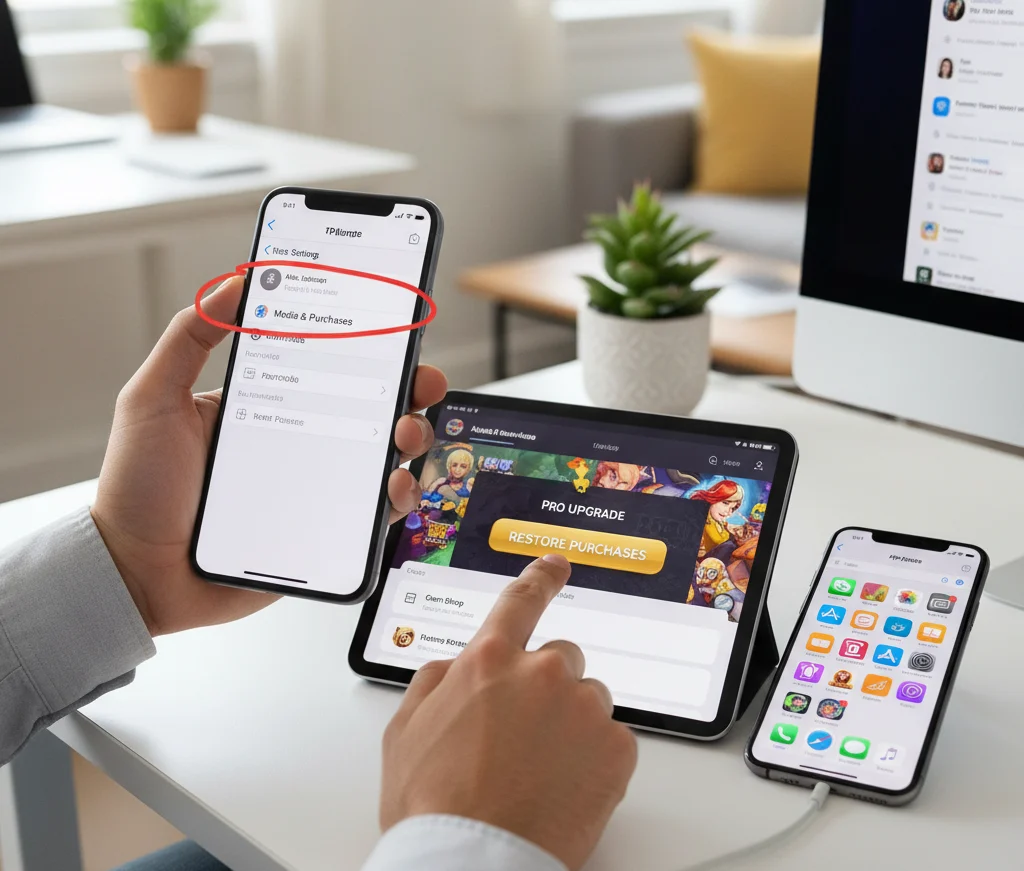
Manipulative In-App Purchases (IAPs): Beware of games that make it too easy to spend money, often targeting the “whale” mentality or using confusing currency. Always set up password protection for purchases.
-
Data Privacy: Always check the app’s privacy policy. What data are they collecting from your child?
My Pro-Tips for Safe Picking:
- Stick to Curated Lists: Look for “Editor’s Choice” on the Google Play Store or Apple’s App Store, or recommendations from trusted parenting blogs and reviewers.
-
Read the Reviews, Really Read Them: Don’t just look at the star rating. Scroll down and read the detailed one and two-star reviews. They often highlight the exact issues with ads or IAPs.
-
Try Before They Play: Download the game yourself first. Play for 15 minutes. You’ll quickly get a feel for the ad frequency and the game’s overall monetization strategy.
The Future is a Family Affair
The dominance of family-friendly mobile games isn’t a fluke or a passing trend. It’s a direct response to a cultural need for more inclusive, positive, and accessible forms of digital entertainment. They have successfully turned the smartphone—a device often blamed for pulling us apart—into a tool for bringing us together.
They offer a unique blend of fun, mental stimulation, and social connection that is incredibly hard to find elsewhere. So the next time you see a family gathered around a tablet, don’t assume it’s a sign of digital disconnect. They might just be building their next great memory, one virtual block at a time.